A Season to Remember: Thank You for an Incredible Year at Pine Terrace Resort!
As we close out another unforgettable season here at Pine Terrace Resort, our hearts are full of gratitude (and maybe just a little sand and campfire...
3 min read
Jenna & Kaleb
:
May 6, 2026 11:00:00 AM
One of the reasons fishing at Pine Terrace Resort is so consistent—and so rewarding—is that the Star Lake system behaves differently than most Minnesota lakes.
Cold, clean, oxygen-rich water. Constant inflow and circulation. Clear visibility. Limited access and pressure. All of this means fish here follow predictable seasonal patterns—for anglers who know what to look for.
Whether you’re casting from the dock in July or drilling holes on the ice in January, understanding how fish move through the seasons is the key to success on the North end of the Ossawinimakee chain of lakes.
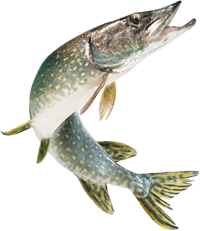
Large northern pike are the crown jewel of Star Lake, and their seasonal movements are closely tied to structure, water temperature, and oxygen levels.
SpringAs ice-out approaches and water begins to warm, pike move shallow. Warming flats, emerging weeds, and inflow areas become prime locations as pike recover from the spawn and begin feeding aggressively. These areas concentrate baitfish and offer easy ambush opportunities.
Spring is one of the most active periods for pike, and anglers willing to fish shallow water methodically are often rewarded.
As water temperatures rise, pike shift away from the warmest shallows and settle into weed edges and drop-offs where cooler, oxygen-rich water is close. In clear water systems like Star Lake, this edge-oriented behavior becomes very defined.
Low-light periods—early mornings, evenings, and overcast days—are especially productive. Pike position precisely, often watching from the edge rather than roaming.
Fall triggers some of the most aggressive feeding of the year. Pike begin staging along shorelines, structure transitions, and areas where shallow water quickly meets deeper basins. Their goal is simple: pack on calories before winter.
While feeding windows may be shorter, strikes tend to be more decisive and memorable.
Unlike many lakes, Star Lake maintains good oxygen levels under the ice, allowing pike to remain active throughout winter. They often relate to remaining green weeds, subtle points, and edges adjacent to deeper water.
Movement slows, but pikes still ambush prey along established travel routes. In winter, location matters more than speed—finding the right area is everything.
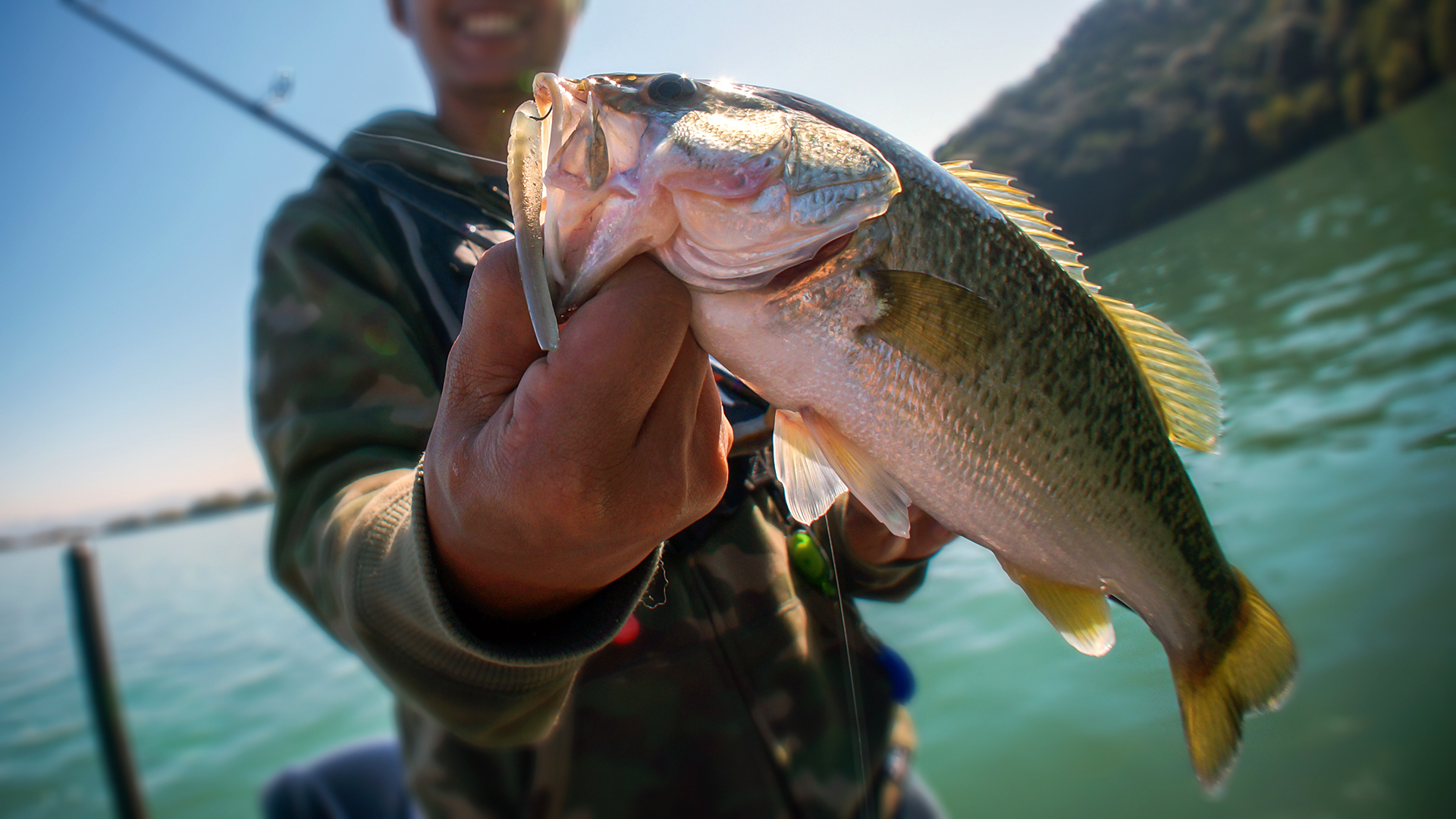
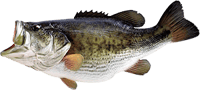
Largemouth bass thrive in the protected bays, weed growth, and calm shorelines throughout the Pine Terrace system.
Open Water SeasonEarly in the season, largemouths use shallow cover and warming flats. As summer progresses, they transition to weed edges, docks, and deeper adjacent structure that offers both shade and access to food.
Topwater bites are strongest during calm mornings and evenings. Because Star Lake is clear, quieter presentations, natural colors, and accurate casts consistently outperform aggressive approaches.
In winter, largemouth bass typically settle into deeper basins and softer bottom areas near remaining vegetation or structure. Activity levels drop significantly, and bites become subtle.
Success comes from slowing down, fishing precisely, and understanding where largemouth overwinter relative to structure—often close to, but not directly on, cover.
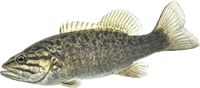
Smallmouth bass are closely tied to rocky structure and firm bottom, making them especially well-suited to Star Lake’s inlet areas, points, and transitions.
Open Water SeasonThroughout spring, summer, and fall, smallmouth favor clean rock, gravel, and areas influenced by subtle current. They respond well to moving baits when active and finesse presentations when conditions are calm or pressure increases.
Paying attention to bottom composition is critical—smallmouth are rarely far from rock.
In winter, smallmouth form loose groups in deeper water, often near rock piles, humps, or basin edges. While they become more selective, they remain catchable in clear, well-oxygenated lakes like Star Lake.
Vertical presentations, patience, and precision are key to success.
Panfish are abundant throughout the Pine Terrace Resort lake system, making them a cornerstone of family-friendly fishing.
Open Water SeasonIn spring, panfish move shallow to spawn, creating excellent opportunities close to shore. As summer progresses, they shift toward deeper basins, weed edges, and structure.
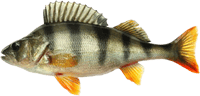
Crappies often suspend, while sunfish and perch relate more closely to bottom and vegetation. Schools shift based on light, temperature, and food availability—making depth control critical.
During winter, panfish concentrate in deeper basins, along soft bottom transitions, or near remaining vegetation. Crappies tend to suspend off bottom, while bluegills and perch stay closer to structure.
Small depth changes can make a big difference, and mobility is often the key to finding active fish.
Star Lake isn’t random water. Fish here follow structure, oxygen, and forage in ways that reward anglers who pay attention.
Understanding seasonal behavior allows you to:
It’s one of the reasons Pine Terrace Resort is such a special destination for anglers of all experience levels—from kids catching panfish to anglers chasing trophy pike.
As we close out another unforgettable season here at Pine Terrace Resort, our hearts are full of gratitude (and maybe just a little sand and campfire...
Understanding how fish move through the seasons is one of the biggest advantages anglers have on the Pine Terrace Resort lake system. With cold,...
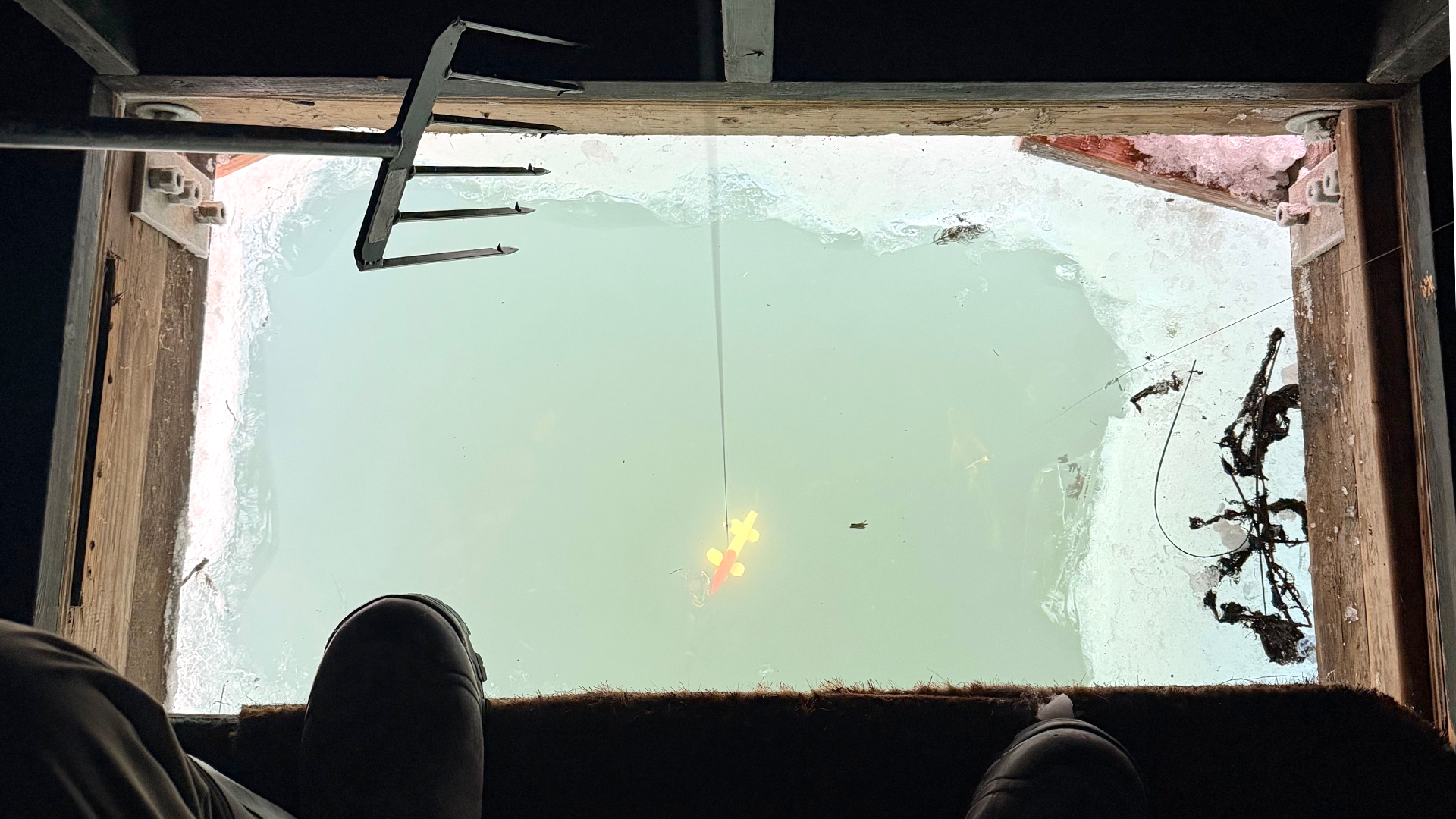
In Minnesota, darkhouse spearing isn’t just a winter pastime—it’s a tradition for many lucky families. One that’s passed down through generations,...